Ezrah: A Romantic Sans Serif for Creative Branding
There’s a certain magic in the first moment you open a brand board and start sketching out ideas. For me, that moment came when I was working on a boutique identity project for a local flower shop. The client wanted something warm, approachable, and a little bit whimsical. I had a few fonts in mind, but none quite hit the right note until I tried Ezrah.
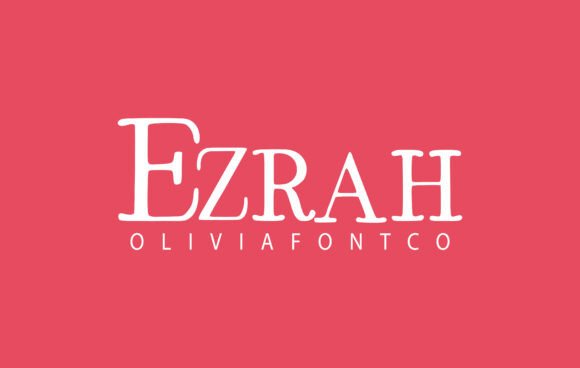
Ezrah is an authentic sans serif font with a romantic touch. At first glance, it feels like a cross between a classic typeface and a hand-drawn script. It has that soft, elegant curve that gives it personality without being too ornate. The letterforms are clean and legible, which is a huge plus when designing for both print and digital platforms.
A Font That Feels Like a Conversation
What makes Ezrah stand out is its ability to feel personal. When I used it on the logo concept for the flower shop, it immediately brought warmth and charm to the design. The rounded edges and gentle serifs give it a friendly vibe that aligns perfectly with the brand’s mission of creating beautiful, meaningful moments.
I tested Ezrah against other popular sans serif fonts like Montserrat and Raleway. While those are great for modern branding, Ezrah has a unique character that sets it apart. It’s not just about aesthetics—it’s about making the text feel like it’s speaking directly to the audience.
From Logo to Packaging: Ezrah in Action
I used Ezrah across multiple design assets for the boutique project. On the logo, it worked beautifully as a headline font, adding a touch of elegance. When applied to the packaging mockup, it maintained its charm even at smaller sizes, which is crucial for product labels.
On business cards, Ezrah looked refined yet approachable. It was especially effective in the header section of the website, where it helped set the tone for the entire brand experience. Even on social media graphics, it retained its readability and visual appeal, making it a versatile choice for different applications.
One thing I noticed early on was how well Ezrah handles small text. Unlike some decorative fonts that can become hard to read at smaller sizes, Ezrah maintains clarity. This makes it suitable for things like Instagram posts or printed signage, where legibility is key.
Font Pairing and Design Flexibility
When pairing Ezrah with other fonts, it’s important to consider the balance between its romantic style and the rest of the typographic system. I found that pairing it with a clean, modern serif font like Playfair Display created a nice contrast. For a more contemporary look, a minimalist sans serif like Lato works well.
Ezrah also offers several weights and styles, which adds to its versatility. Whether you’re using it as a display font for headlines or as a supporting typeface for body text, the range of options ensures it can adapt to various design needs.
If you’re looking for a font that can handle both creative and functional design tasks, Ezrah is a strong contender. It’s ideal for projects that require a blend of personality and professionalism, such as creative studio identities or handmade shop branding.
When to Use (and Not Use) Ezrah
Ezrah is best suited for projects that benefit from a warm, inviting aesthetic. It shines in branding for lifestyle brands, boutique stores, and creative studios. However, it may not be the best choice for formal corporate environments or long-form body text, where a more neutral and structured font might be preferable.
That said, if you’re working on a project that requires a bit of flair and personality, Ezrah is worth testing. Its readability and visual appeal make it a great option for a wide range of design assets, from logos to social media graphics.
Before finalizing your design, always test Ezrah in different contexts. How does it look on a shop sign? Does it work well in a hero section of a homepage? Will it maintain its charm when printed on a business card? These are all important questions to ask before committing to a font in client work.
Practical Tips for Using Ezrah
When using Ezrah in client projects, make sure to review the font’s licensing details. Depending on the use case, you may need a commercial license, especially if you’re incorporating it into templates, merchandise, or web designs. Always check the font provider’s terms to ensure compliance.
Also, consider the file formats and webfont availability. If you’re building a website, having access to webfonts ensures that Ezrah will render consistently across different devices and browsers.
Overall, Ezrah is a font that feels like a conversation. It brings warmth and personality to any design, making it a valuable tool for designers who want to create meaningful connections through their work. Whether you’re working on a logo, packaging, or social media layout, Ezrah has the potential to elevate your creative ideas to the next level.